The move has baffled some PC builders since demand for memory is exploding. However, the problem is that AI data-centre outfits are snapping up every scrap of production capacity and paying far more for it.
Micron Technology, chief business officer Sumit Sadana said: “The AI-driven growth in the data centre has led to a surge in demand for memory and storage. Micron has made the difficult decision to exit the Crucial consumer business to improve supply and support for our larger, strategic customers in faster-growing segments”.
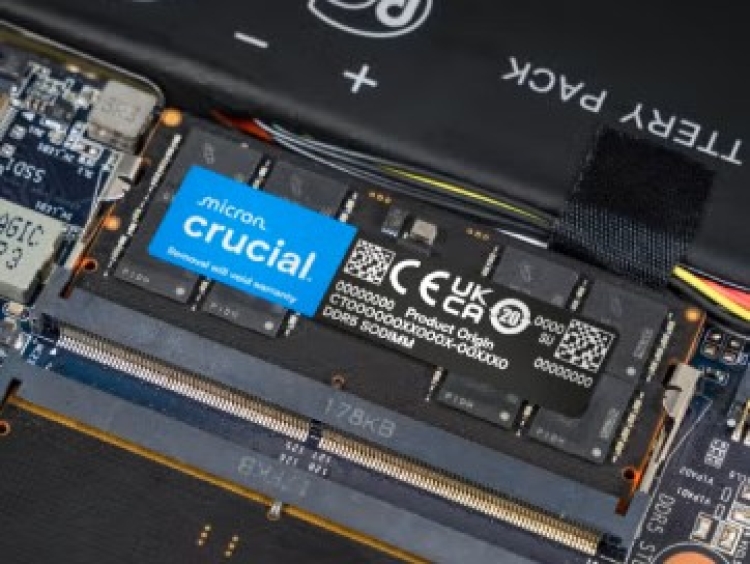
Micron will keep shipping Crucial kit until the end of its fiscal second quarter in February 2026 and will honour warranties. It will still flog enterprise hardware under the Micron name and plans to move affected Crucial staff into other roles.
Crucial launched in 1996, during the Pentium era, as Micron’s consumer-facing outlet for RAM and storage upgrades. It later bolted on SSDs, flash cards, and portable drives, while Micron continued making RAM, as it has since 1981.
The surprise here is not weak demand but overwhelming demand from the wrong customers. Memory prices have shot up since late summer. A 32GB DDR5 kit that cost about $82 in August now sells for about $310. DRAM contract prices are up 171 per cent year-on-year.
TeamGroup general manager Gerry Chen warned the squeeze will intensify through the first half of 2026 as distributors burn off their remaining inventory. He expects shortages to stretch into late 2027 or longer, Chen said.
AI is behind the carnage. Hyperscalers are hoovering up high-bandwidth memory used in AI accelerators from Nvidia and AMD because these parts deliver colossal margins. Consumer RAM looks like pocket money by comparison.
Memory makers are shifting production towards enterprise parts because every wafer sold to an AI data centre earns far more than one sold to a home PC builder. Micron has already presold all of its HBM output through 2026.
OpenAI’s enormous Stargate project reportedly booked up to 900,000 DRAM wafers a month, amounting to nearly 40 per cent of global output. With orders like that, consumer RAM gets shunted to the back of the queue.
The squeeze has already forced device makers to adjust. Laptop outfit Framework stopped selling standalone RAM in late November to deter scalpers and admitted it will probably have to raise prices soon.
For Micron, the maths were obvious. Enterprise customers buy in bulk and pay far more, so consumer RAM has become the least profitable use of scarce silicon.
Sadana said: “Thanks to a passionate community of consumers, the Crucial brand has become synonymous with technical leadership, quality and reliability of leading-edge memory and storage products. We want to thank our millions of customers, hundreds of partners and all of the Micron team members who have supported the Crucial journey for the last 29 years”.